

Colon Cancer Survivor
This is not your grandpa's cancer
At 27, JJ Singleton muscled through surgery and 12 rounds of chemotherapy after being diagnosed with Stage II colon cancer. Ten years and more than 173 infusions later, he now manages Stage IV cancer. An unexpected move into advocacy has helped him stay positive and shine a light on the needs of young adults with cancer.
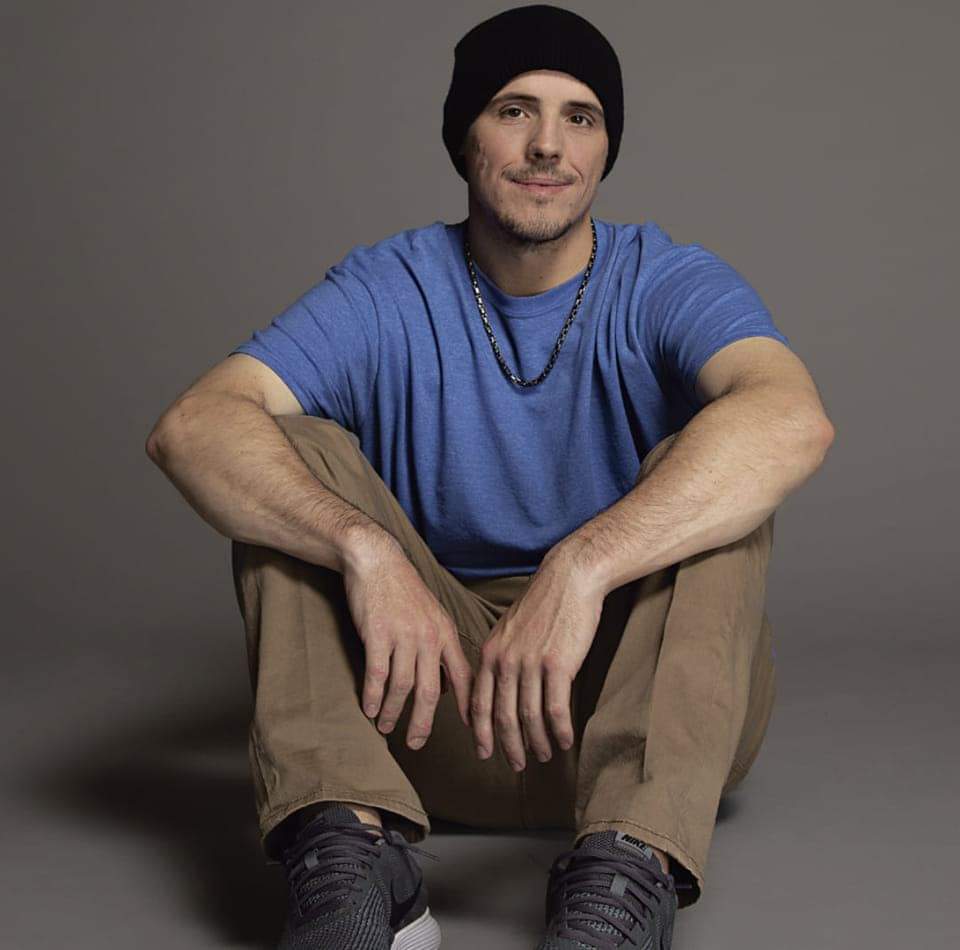
After my college football career ended because of an injury, I began enjoying college a little too much. When I reached 315 pounds, I decided to focus on my health. I started working out and was doing great until I started having bowel issues. I had blood in my stool and a throbbing in my abdomen that I could actually see when I pulled my shirt tight.
I ignored the symptoms all summer because, at 27, I felt invincible. Finally, my mom forced me to go to the doctor. He took one look at my throbbing abdomen and sent me for a CT. Before I even made it to the car after the scan, he called me back to his office. I had Stage II colon cancer.
A few days later, I had surgery and my first chemotherapy infusion. I lived in a small town, and the cancer center was about an hour away. As a former athlete, I was pretty sure I could handle it. Honestly, I thought it’d be like a really bad hangover. But, my body did not like the hospital, and it really didn’t like chemotherapy. I had mouth sores, bone and joint pain, vomiting, diarrhea and the worst fatigue you can imagine.
I finished the treatment, but before I had my first posttreatment scan, the throbbing in my abdomen came back. My doctor sent me to a colleague at a major cancer center about five and half hours away. It was there we discovered that I had Lynch syndrome, a genetic abnormality that made me more susceptible to colon cancer. I also learned that the cancer had spread to my abdominal wall and lymph nodes. It was now Stage IV and incurable.
A clinical trial testing an immunotherapy for Stage IV colon cancer was available. At that time, my insurance coverage required that I try other treatments first. I did, and they were unsuccessful. When I was able to start the trial, my doctors were honest. This was my “Hail Mary.” If it didn’t work, we had no other options.
The trial treatment was done at the cancer center close to me so I wouldn’t have to travel. Over the next year, scans showed some shrinkage and no growth. Once I was considered stable, I had surgery to reroute my colon.
I didn’t realize how much cancer would affect me mentally. I felt isolated and fell into a deep depression. It didn’t help that I was in a town of about 3,000 people and never saw anyone my age with cancer. I would see cancer patients on TV, and I couldn’t relate at all. They didn’t look like me. I thought that if I ever talked about my cancer, I’d tell the real stuff.
I found a therapist, and that was a lifesaver. It wasn’t a quick fix, but each day was better than the last. I also noticed I wasn’t isolating as much. I don’t see a therapist routinely now, but because I learned tools that I need for my mental health, I can recognize when I might need to see one again.
Once the pandemic hit, I started sharing my story online. I was completely open, even talking about bathroom habits. I shared what helps me, like Magic Mouthwash for mouth sores. I could tell I was helping others and, most of all, it made me realize I wasn’t alone.
At first, I resisted advocacy groups because I thought they were all about fundraising, but through groups like Man Up to Cancer, Fight Colorectal Cancer and Stupid Cancer, I came to realize there is a way forward. I met my best friend in the world through advocacy, and I talk to her every day.
As a junior board member at Stupid Cancer, I talk with newly diagnosed people and connect them with resources that can help with topics like dating when you have cancer and sexual health. I didn’t have a girlfriend when I got my diagnosis, and no one mentioned anything about fertility preservation. I did want kids someday, but I am happy knowing I can be an uncle. And, I can be certain the Lynch syndrome ends with me.
Today, I also use my decade of experience to be a patient voice on pharmaceutical patient advisory boards. I travel and share my insights into what young adults with cancer face. I offer the real-world perspective, from sharing why clinical trials need to be explained in an easy-to-understand way to making sure they are offered in rural areas as well as cities.
I thought cancer was something only grandparents got, but I’ve learned so much. My advice to you is to avoid isolating. Society hasn’t forgotten about you. The young adult community is here. Find it because it can change your life.
