

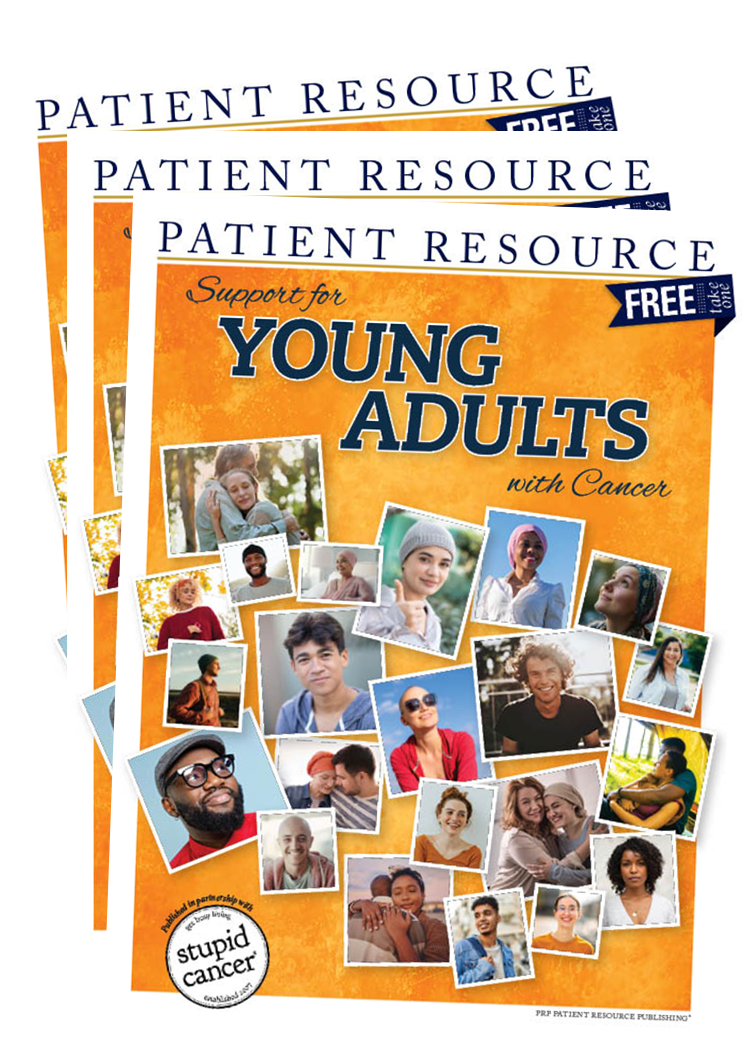
Support for Young Adults with Cancer
Back to Work and School
Because of treatment, you may have been forced to take a break from work or school. When you are ready to go back, be realistic about your expectations. Instead of picking up where you left off as if nothing has changed, you will be creating what many people call your “new normal.” It may be different, but getting back into a routine gives you something to focus on besides cancer. You may feel more productive and increase your social circle with co-workers or classmates. Before heading back out there, consider the following.
Back to Work
You may have long-term effects that require adjustments, such as a flexible schedule, reduced hours or the ability to work from home. Your employer is obligated by law to provide reasonable accommodations for you. To learn more about how employees affected by cancer are protected legally in the workplace, talk with your supervisor and a member of your human resources department. If you find after returning to work that you need to take a step back, consider exploring government assistance and research the unemployment laws of your state.
How much will you share about your situation? You aren’t obligated to share anything. You might want to if you have relationships with people whose support and kindness can make your transition easier. Think in advance about how to respond to your co-workers’ possible reactions.
Is it time for a change? You may choose to reduce your workload, find a new employer or change careers altogether. Now is the time to focus on what is best for you.
Back to School
Are your classes far apart? If you have physical limitations that may make it difficult to navigate the campus, plan the best routes ahead of time. Contact the school administration about resources or modifications, such as leaving books or supplies in the classroom instead of carrying them with you.
Identify your challenges. You may have memory or concentration difficulties. Build in extra study time and address learning or classroom difficulties early. Teachers or professors may be able to extend deadlines or give you more time to take exams. Your health care team is a resource for managing cognitive challenges.
Pace yourself. Ease into your schedule to prevent burning out. If you struggle, consider reducing your class load.
Ease your financial burden. Look into grants and scholarships that are available to cancer survivors.
