

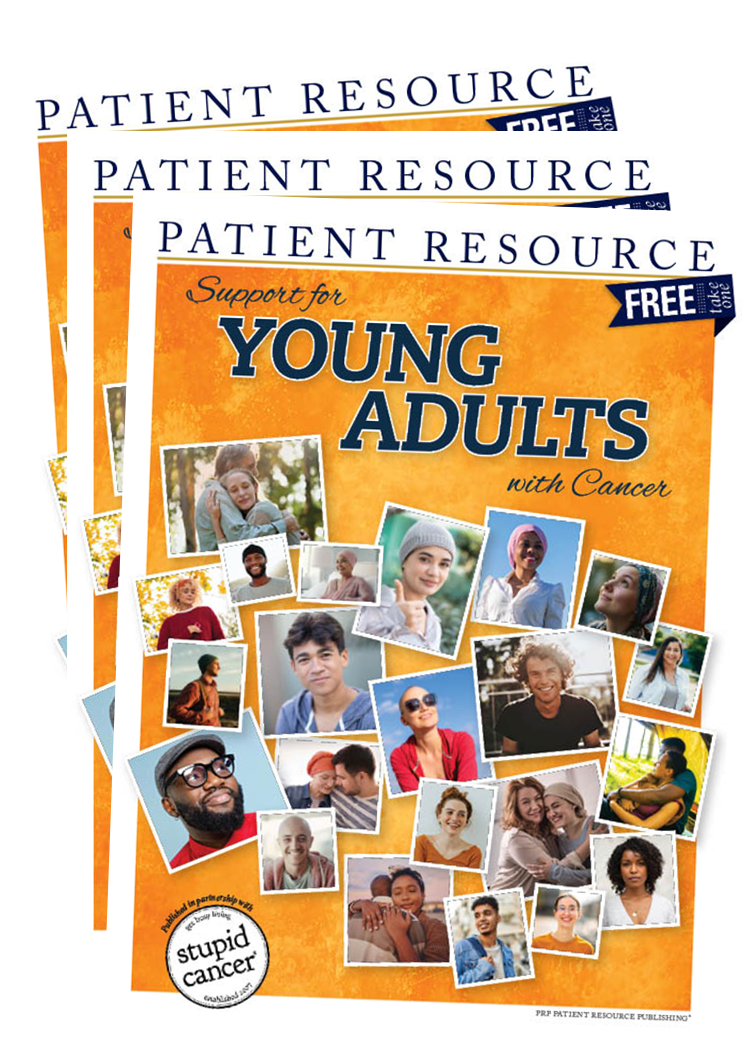
Support for Young Adults with Cancer
Sexual Health & Body Image
Young adulthood is filled with developmental milestones, and cancer interrupts all of them. From learning to manage the physical effects of cancer to regaining your self-confidence, it is possible to get to a good place physically and emotionally. You are your own best advocate, and you are not alone.
Start by getting into the right mindset. First, talking about your sexual health does not have to be embarrassing. It’s an integral part of life. Second, you may be upset that your health care provider didn’t talk with you about vaginal dryness, erectile dysfunction or the other surprises that come with a cancer diagnosis. Until now, the focus has been on ensuring you have the best cancer treatment possible. Lastly, you may be uncomfortable with the physical changes to your body. With the young adult cancer community by your side, you have the support and resources you need to address the sexual health and body image issues ahead.
Your Sexual Self
Your sexual self is how you define your identity as a sexual being. This process is deeply personal and complex. And, because some sort of sexual dysfunction is common after having cancer, you can expect that process to evolve.
Your sexual self is how you define your identity as a sexual being. This process is deeply personal and complex. And, because some sort of sexual dysfunction is common after having cancer, you can expect that process to evolve.
You may choose to see a therapist or talk with other young adult cancer survivors who have many of the same questions and fears that you do. Check out Stupid Cancer (StupidCancer.org).
Your Body Image
When the effects of cancer are visible, it is hard not to feel defined by them. Your mood can take a big hit when you don’t feel good about how you look.
Caring for your overall appearance while you’re in treatment and beyond can help improve your self-image, which can actually improve your mental health. Certain organizations with trained beauty professionals are dedicated to offering practical advice and support for people coping with cancer treatment. Ask a member of your health care team if any are available through your cancer center. If not, ask for referrals and use the resources in the back of this guide.
Get started with these suggestions.
Hair. Losing your hair can be traumatic. Wear hats, ball caps and scarves. If you want to wear a wig, ask your health care provider for a prescription for a “cranial prosthesis due to alopecia caused by cancer treatment.” Such phrasing may qualify the wig to be covered partially or in full as a medical expense, but contact your health insurance provider first to find out. Cancer advocacy groups often provide wigs for free to people with cancer.
Skincare and makeup. Use gentle soaps and lotions that are free of dyes and perfumes. Use a thick moisturizer twice a day, particularly after you shower/bathe. To cover patchiness and discolored areas, use foundation with built-in sunscreen in a shade that helps even out your skin tone. A concealer that is a shade lighter than your foundation can mask dark circles under your eyes and brighten your eyes.
Clothing. You may have lost or gained weight, have an ostomy or lymphedema, and now your clothes might not fit right. You may need to consider including adaptive clothing, which is designed for patients in recovery to make it easier to get dressed. Items may include features such as magnetic closures, side-opening shirts or pants and soft, loose fabrics.
Accessorize and be creative. Cover a port or port scar with a scarf or a high neckline. Loose-fitting tops cover an ostomy or your chest after breast removal and before reconstruction.
Let's Talk Relationships
Whether you have a spouse, partner or a best friend, or are venturing out into the dating world, communication is key. Strong relationships are a valuable part of healing.
Intimacy. Being intimate doesn’t just mean sex, just as sex doesn’t always mean intercourse. Intimacy is that feeling when you connect with another person. Find ways to connect with your partner. Talk with a sex therapist who has experience with cancer patients or with other survivors who have similar challenges.
Self-esteem and self-image. How you feel about yourself will translate to how your partner and others perceive you. Stay as positive as you can. Practice positive self-talk. Speak with other young adult cancer survivors who have started dating. Start slowly. It’s normal to feel anxious about dating.
To share or not to share? When you begin dating, you don’t need to be an open book. Not every person you date needs to know your cancer story. Compare it to sharing another important event in your life. Would you feel right about sharing that right away? You’ll know when it feels right to talk about it.
