

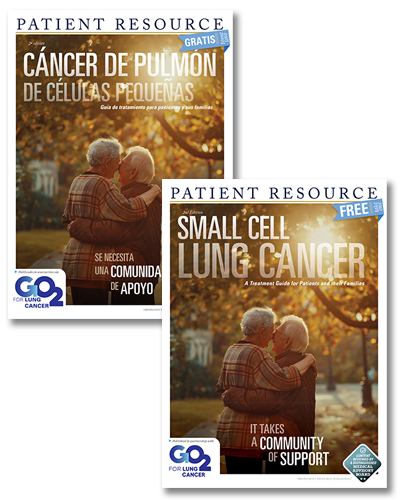
Small Cell Lung Cancer
Research shows more reasons to quit smoking
It is common to think that quitting smoking is pointless because you’ve already received a small cell lung cancer (SCLC) diagnosis. That is simply not true. If you currently smoke, consider quitting. It is beneficial at any time regardless of how long you smoked or whether you were a mild to moderate or heavy smoker. Many SCLC patients who have smoked may also have chronic obstructive pulmonary disease (COPD) in the non-cancer tissues of the lung, which may interfere with lung function and alter therapeutic options. A pulmonologist, who specializes in diseases of the lung, may be included on your team to assess your overall lung function.
Research has shown that stopping will help make your treatment be more effective along with other multiple benefits. Quitting at or around the time of a lung cancer diagnosis is associated with improved overall survival, is also associated with delaying the cancer’s return or worsening of the disease, and improves overall quality of life and symptoms. It may also improve survival regardless of whether you receive chemotherapy or radiation therapy.
It is well known that nicotine is addictive and breaking the habit is hard. Many resources are available to help. Some options include smoking cessation programs, intensive counseling, local support groups, call lines, text-based help and online assistance. Research has shown the most successful method of quitting combines intensive counseling with cessation medications. Ask your health care team about the options your treatment facility and community offer to help you or your loved ones quit tobacco products.
SOME BENEFITS ARE IMMEDIATE AND OTHERS ARE LONG TERM
| Immediate Benefits |
| Breathe easier |
| Chemotherapy and radiation therapy may be more effective |
| Recover faster from surgery and heal wounds more easily |
| Reduced lung inflammation, which may help reduce the risk of cancer progression |
| Less stress on the immune system so it can fight disease and infections better |
| Long-term Benefits |
| Improved sense of smell and taste |
| Improved chances of survival after cancer |
| Lowered blood pressure and decreased heart rate, better blood circulation, increased lung function |
| Decreased risk of secondary cancers and other conditions linked to tobacco use |
| Fewer illnesses such as colds and flu, lower rates of bronchitis and pneumonia |
The following resources are available to help you or loved ones be proactive about quitting tobacco products and improving lung health.
- American Cancer Society: www.cancer.org, 800-227-2345
- American Lung Association Lung Helpline and Tobacco Quitline: 800-586-4872
- BecomeAnEx: www.becomeanex.org
- CDC Tobacco Quitline: 1-800-QUIT-NOW; 800-784-8669
- National Cancer Institute LiveHelp: livehelp.cancer.gov/app/chat/chat_launch
- National Cancer Institute Smoking Quitline: 877-44U-QUIT; 877-448-7848
- Nicotine Anonymous: nicotine-anonymous.org
- North American Quitline Consortium: naquitline.org
- Smokefree.gov: smokefree.gov, 800-784-8669
- SmokefreeTXT: smokefree.gov/tools-tips/text-programs, text QUIT to 47848
